Tarot Guides
Tarot Card of the Day: How to Pull and Read It
A card of the day is the smallest, most useful tarot habit there is: one card each morning, held as a theme for the next twenty-four hours. It isn't a forecast and it can't tell you what will happen — it's a lens. Pull the High Priestess and you carry a question about trusting your intuition into the day; pull the Five of Pentacles and you notice where you're feeling scarcity. Done daily, it quietly teaches you the cards better than any book, because you watch each one play out in your real life.
How to pull your daily card
Keep it simple and consistent — same time, same small ritual. Morning works best, before the day crowds in. Find a quiet spot, take a breath, and let the mental noise settle a little. Some people light a candle or say a line; you don't have to.
Hold a soft intention — not "what will happen today?" but "what do I most need to see today?" or "what should I bring to this day?". Shuffle however feels right, and pull a single card. One is the whole practice; resist the urge to pull "just one more."
How to read it
Start with your own eyes, not the guidebook. Look at the image and notice what catches you — the mood, a figure, a detail. That first impression is often the day's real message. Then, if you want, check the card's traditional meaning to fill it in.
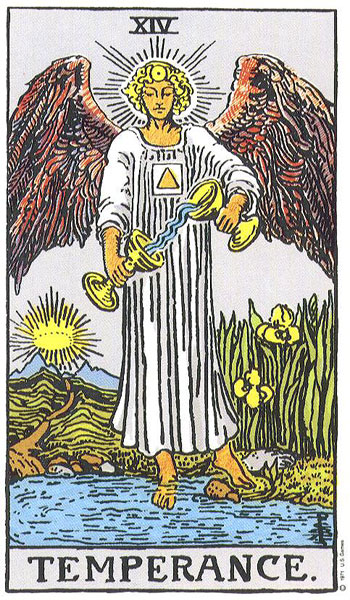
Now make it practical: how does this apply to your actual day? Temperance might mean pace yourself and mix things in moderation. The Eight of Wands might mean things move fast — keep up. You're not predicting the day; you're choosing a lens to walk into it with.
Why journaling makes it work
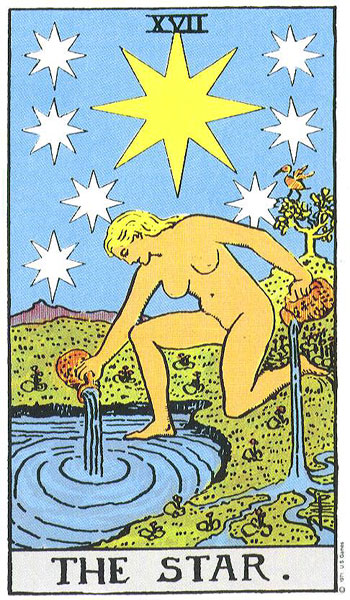
The daily card goes from cute to genuinely powerful the moment you write it down. A line in the morning ("pulled the Star — hoping for a calmer day") and a line at night ("and it was — I let something go") turns a random draw into a feedback loop.
Over a month, the journal teaches you two things at once: how each card actually behaves in your life (far richer than a keyword list), and patterns in your own days you'd never have noticed. That's the real payoff — not prediction, but self-knowledge that accumulates.
Common mistakes
Don't re-pull until you get a "good" card. The Tower in the morning isn't a curse on your day — it's a heads-up that something built on shaky ground might wobble, and forewarned is useful. Redrawing just trades the message for reassurance.
And don't read it as a verdict. A daily card is an invitation to pay attention, not a sentence you're serving. If it unsettles you, ask what it's pointing at rather than bracing for doom — the card is a message to carry, not a fate to dread.
Frequently asked questions
What does a tarot card of the day mean?
It's a single card pulled as a theme or lens for the next 24 hours — something to stay aware of, not a prediction of events. You reflect on how its energy shows up in your real day.
What time should I pull my daily card?
Most people pull in the morning, before the day gets busy, so the card can set an intention. Consistency matters more than the exact hour — same time each day builds the habit and the learning.
What if I get a scary card like The Tower or Death?
They're rarely literal. The Tower flags something unstable worth noticing; Death marks an ending or change, often a needed one. Read them as a heads-up to carry into the day, not a doom sentence — and don't redraw for a nicer card.
Cards in this reading
Want more than a keyword for today's card? Pull it in a live session and talk it through — a tarot therapist helps you land it in your actual day.
Get my personal reading