Tarot Spreads
Will He Come Back? Tarot Spread
"Will he come back?" is one of the most common questions people bring to tarot, and one of the heaviest. It's rarely idle curiosity — it's a heart still setting its clock by someone who left. This spread won't text him for you or name a date. What it does is quieter and more useful: it shows you where he actually is, what genuinely stands between you, and which way the current is moving. Lay it once, calmly, and let the cards tell you the truth instead of the answer you've already rehearsed.
The three-card spread, position by position
Shuffle with the question held loosely in mind and lay three cards left to right. Keep it to three — the fewer cards, the harder it is to talk yourself into a happy ending.
- •1. His energy now — where he genuinely is: what he feels and thinks about you today, not on the day he left. This card often surprises, because silence on the outside isn't always silence on the inside.
- •2. What blocks the return — the real obstacle between you: an unhealed hurt, pride, someone else, fear, or simply a life that has moved on. This is the most honest card in the spread; don't skim past it.
- •3. The likely outcome — where it's heading if nothing changes: reunion, a slow fade, or a door that has already quietly closed. It's a current, not a verdict — currents can be swum against.
How to read it honestly
State matters more than technique here. Don't lay this at 2 a.m. mid-cry: a flooded nervous system bends every card toward hope or catastrophe. Wait for an evening when your breathing is even, and ask once.
The best trick: read the spread as if a friend brought it to you about her ex. You'd tell her the truth gently, but you wouldn't sugar-coat it. Give yourself that same honest kindness.
And trade yes/no for open questions. Not "will he come back?" but "what is he feeling now?", "what is this silence about?", "what do I most need to see here?". An open question gives you something to work with; yes/no just gives you a coin you'll want to flip again tomorrow.
Cards that lean toward reunion — and toward letting go
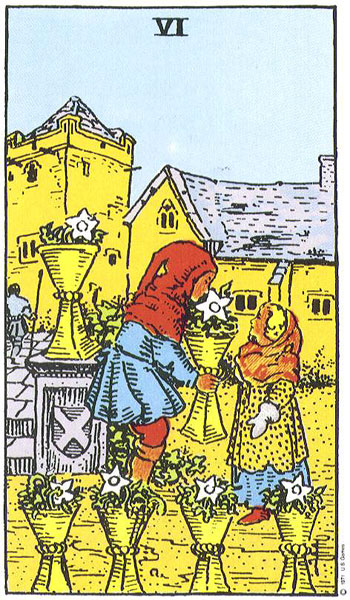
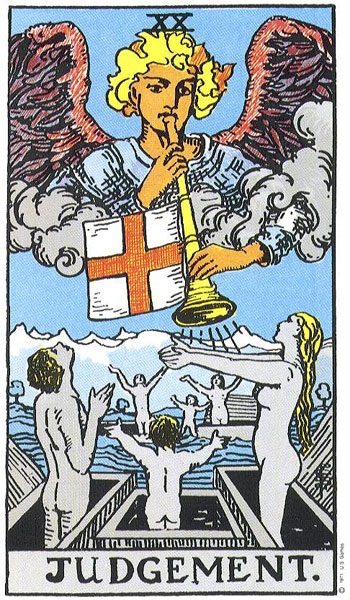
Some cards genuinely tilt toward return. The Six of Cups is the classic: nostalgia, an old attachment that still tugs, memories he keeps walking back into. The Lovers says the choice about you is still open in his mind — you haven't been filed away. And Judgement is the card of second chances: an old chapter waking up, a call you'd stopped expecting.
Others say the opposite just as clearly. The Eight of Cups shows someone who left emotionally, not only physically — his search is already elsewhere. Death marks a genuinely finished cycle; forcing it back to life keeps you stuck for years. The Tower says the break happened for structural reasons: what collapsed couldn't have stood.
One card never decides the spread. The Six of Cups in the first position means he remembers — but it doesn't outvote The Tower in the outcome.
What to do with either answer
If the spread leans toward reunion, don't fall into waiting. The cards show a door left ajar; walking through it still takes two people, an honest conversation, and repair of whatever broke. Live like someone who gets returned to, not someone on pause.
If it asks you to let go, let yourself grieve — and notice the strange relief a clear answer often brings. "Will he come back?" is heavy precisely because it keeps you facing backward. Any honest answer, even a sad one, turns you around to face forward.
Frequently asked questions
Can tarot really tell me if my ex will come back?
Tarot won't predict a fixed date or guarantee an outcome — free will keeps the future open. What it reads well is the present current: his likely feelings, the real obstacle, and where things drift if nothing changes.
Which tarot cards mean he will come back?
Cards that lean toward reunion include the Six of Cups (nostalgia, old bonds), The Lovers (the choice about you is still open), and Judgement (second chances, a chapter reawakening). Read them alongside the outcome card, not alone.
How often can I ask 'will he come back'?
Ask once, then let the reading settle. Re-asking the same question hoping for a kinder answer stops reading the situation and starts mirroring your anxiety — the cards get noisier, not clearer.
Cards in this reading

If three cards raised more questions than they closed, bring them to a live reading — a tarot therapist walks each position with you and reads your story, not the generic case.
Get my personal reading